







Search Results for: leaf rust-resistant varieties.
2024 Nicaragua Cup of Excellence Results Announced: Pacamara Variety Debuts and Wins Runner-Up
The results of the 2024 Nicaragua Cup of Excellence (COE) competition were recently announced, with the Geisha variety continuing its strong performance, sweeping first, third, and fourth places, among which the natural Geisha won the championship with 91.10 points. However, the most eye-catching aspect of this competition was undoubtedly the Parainema variety, which made its first appearance in Nicaragua, winning second place with 89.85 points. This rare variety, which previously won the 2017 Honduras COE, has what kind of genetic origins behind it? Can it break buyers' prejudice against the cup quality of leaf rust-resistant varieties? This article will provide a detailed interpretation of the origins, development, and outstanding performance of Parainema in this competition, while also introducing Front Street Coffee's attention to and recommendation of this variety. [more…]
Colombia Distributes 55.7 Million Coffee Seedlings, 2024/25 Production Forecast Raised to 12.9 Million Bags
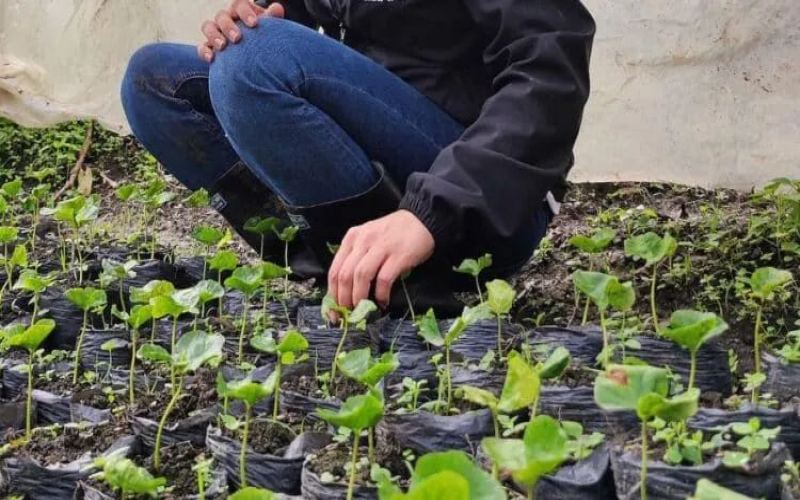
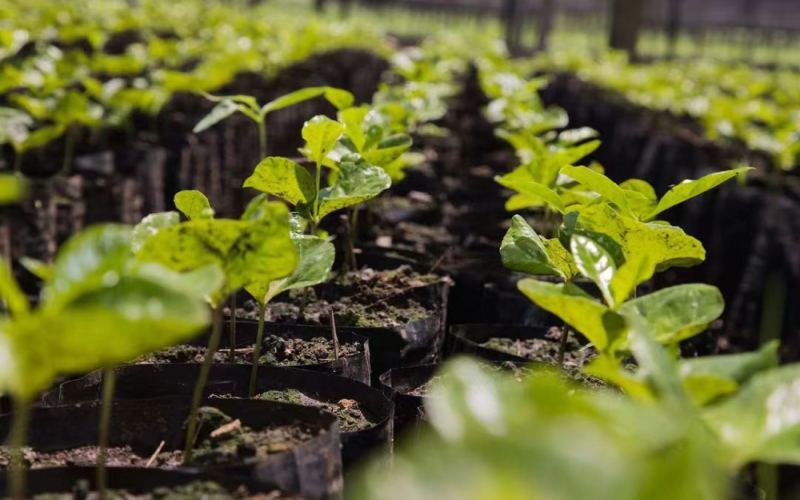
Colombia's coffee industry has recently received a series of positive signals. Starbucks, in collaboration with the Colombian Coffee Growers Federation (FNC), has distributed 55.7 million disease-resistant coffee seedlings to local farmers, reaching over 17,000 growers across 17 departments. After the effects of El Niño and drought, the arrival of the rainy season in October has led to a gradual recovery in production. The FNC estimates that production for the 2023/24 year will reach 12.8 million bags, while the USDA FAS forecasts that the 2024/25 year could reach 12.9 million bags. However, factors such as severe weather in Brazil and logistics delays have driven Arabica prices to a 47-year high, and the market expects prices to remain elevated in 2025. [more…]
A Complete Analysis of Salvadoran Coffee Bean Origins: From Historical Changes to the Flavor of Bourbon and Pacamara Varieties
Although El Salvador is a small country, it occupies an important position on the coffee map of Central America. Here, there is both the delicate acidity and sweet balance nurtured by volcanic fertile soil, as well as a tumultuous history of dye substitution, land reform, and the ravages of leaf rust. Front Street Coffee has long been deeply involved in estates across multiple producing regions in El Salvador, accumulating a large number of flavor samples through roasting and cupping. This article begins with the coffee story of El Salvador, sorting out its growing conditions, the characteristics of nine major producing regions, and the main varieties (Typica, Bourbon, Pacas, Pacamara), and includes Front Street's roasting and brewing approach for the Santa Ana Chocolate Lover, taking you through a comprehensive understanding of the coffee charm of this "Volcano Country." [more…]
A Detailed Explanation of El Salvador Coffee Grading SHG Standards: Origin History, Flavor Characteristics, and Front Street Coffee Roasting and Brewing Practices
Although El Salvador is a small country in terms of land area, it occupies an important place in the specialty coffee landscape of Central and South America thanks to its volcanic-rich soil and mild climate. Starting from its historical development, this article traces how coffee replaced indigo as the country's economic pillar, and details the impact and reconstruction of the industry brought by events such as the civil war, land reform, and leaf rust. It also systematically introduces the three-tier elevation grading system of SHG, HG, and CS, the flavor differences among the nine major producing regions, and the characteristics of the four major varieties: Typica, Bourbon, Pacas, and Pacamara. Front Street Coffee further uses two beans, Lemus Estate and Chocolate Lover Estate, as examples to share roasting approaches and V60 brewing parameters, helping readers gain a comprehensive understanding of the unique charm of Salvadoran coffee. [more…]
Analysis of Costa Rican Coffee Varieties: Cultivation Characteristics and Origins of Villa Sarchi, H1, and Obata
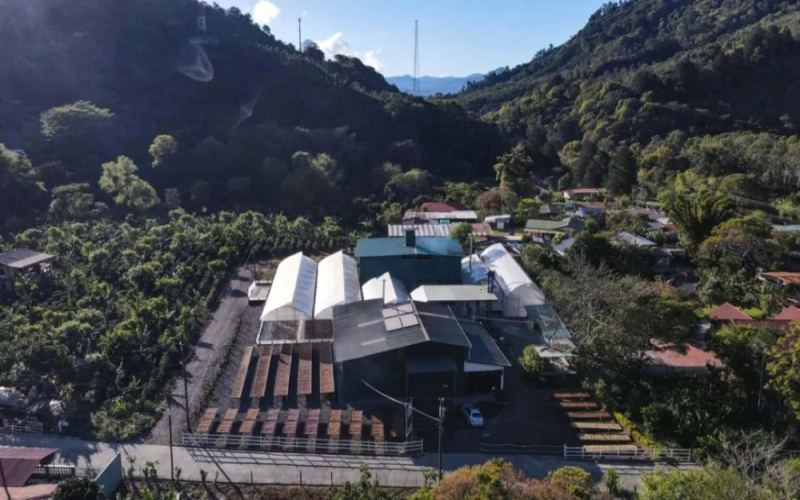
Costa Rica is renowned worldwide for its high-quality Arabica coffee. Although its total production is limited, the country strictly guarantees coffee quality through legislation, making it the only country in the world that prohibits the cultivation of non-Arabica varieties. Initially, Caturra and Catuai were the main varieties, but the threat of leaf rust prompted Costa Rica to introduce and develop more new varieties. Today, in addition to Caturra and Catuai, varieties such as Villa Sarchi, H1, and Obata are gradually emerging. Front Street Coffee's entry-level selection series, Costa Rica Tarrazu coffee beans, uses Caturra and Catuai. After washed processing, they carry a slight fruity acidity, with flavors of sweet orange, nuts, and honey, and a smooth lingering sweetness. This article will provide a detailed introduction to the origins, characteristics, and cultivation performance of these varieties. [more…]
A Complete Analysis of Salvadoran Coffee Origins: Pipil Brand and the Flavor Characteristics of Six Major Regions, Plus Front Street Coffee's Roasting and Brewing Practices
Although El Salvador is a small country, its volcanic soil and high-altitude microclimates nurture specialty coffee with delicate acidity and a balanced mouthfeel, and Pipil Coffee is one of its most representative brands. This article traces the development of Salvadoran coffee from the 18th century to the present, analyzes the flavor differences and main variety characteristics of its nine major producing regions, and shares Front Street Coffee's specific approach to roasting and brewing Salvadoran beans, including how it handles beans such as Santa Ana Chocolate Lover and the brewing parameters, offering coffee lovers a complete origin reference. [more…]
Caturra Coffee Variety Full Analysis: From Bourbon Natural Mutation to Central American Mainstay, Flavor Profile and Historical Origins
Caturra, a natural mutation of Bourbon, has gradually become an important pillar of the Central American coffee industry since its discovery in Brazil around 1915, thanks to the high-density planting advantages brought by its dwarf gene. This article will systematically review Caturra's historical context, breeding process, and global spread, and combine Front Street Coffee's cupping experience to provide an in-depth analysis of this variety's flavor performance. At the same time, the article will also introduce the relationship between Caturra and the Catimor family, as well as Front Street Coffee's currently available Caturra daily drinking beans from the Huila region of Colombia, offering coffee lovers a complete reference from variety awareness to practical tasting. [more…]
Yunnan Arabica Coffee Recommendations | What Varieties of Yunnan Arabica Coffee Beans Are There? Yunnan Coffee Bean Characteristics and Flavor Review
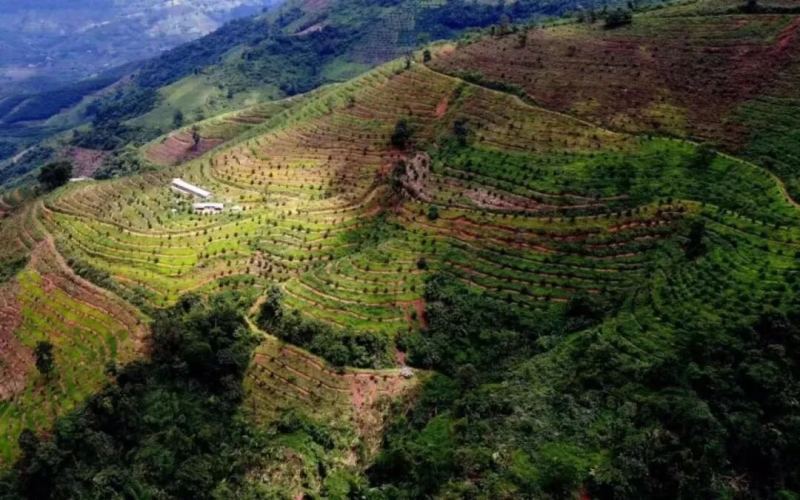
Front Street Coffee has learned that most people, when they first get into specialty coffee, start with Africa's Yirgacheffe or Sidamo regions in Ethiopia, and when it comes to Asian coffee, most people first think of Indonesia's Mandheling coffee beans. But with the rise of the domestic goods trend, Yunnan coffee from China has begun [more…]
A Comprehensive Analysis of Yunnan Coffee Bean Cultivation and Varieties: From Catimor to Typica, Front Street Teaches You to Savor the Brown Sugar, Nut, and Chocolate Flavors
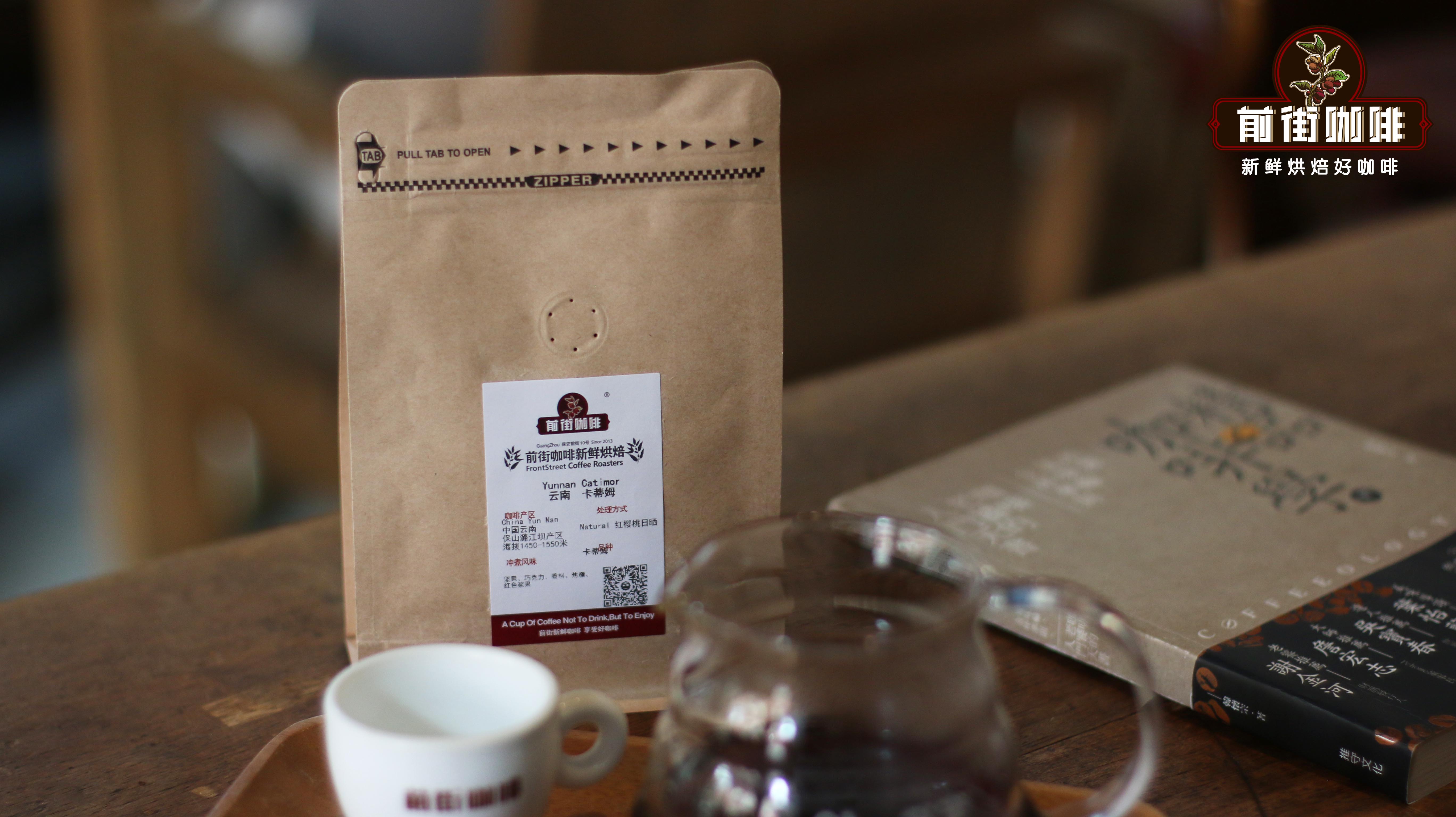
Can Yunnan coffee truly be considered specialty? This question has puzzled many coffee enthusiasts. Front Street Coffee takes you through the history, varieties, terroir, and processing methods to gain an in-depth understanding of Yunnan coffee's century of transformation. From the first coffee tree planted by a French missionary in 1904, to Nestlé introducing the Catimor variety, to Front Street establishing its own estate in Lincang to select and cultivate Typica, Yunnan coffee is undergoing a transition from commercial beans to specialty. The article also provides a detailed analysis of how the two processing methods—washed and natural—affect flavor, and includes the brewing parameters and cupping flavors of Front Street's Yunnan small-bean everyday drinker beans and the 2013 natural Typica, giving you a comprehensive understanding of Yunnan coffee's brown sugar, nut, and chocolate notes. [more…]

Salvadoran Coffee Bean Origin Characteristics and Flavor Analysis: The Specialty Path from Bourbon and Pacas to Pacamara
Although El Salvador is the smallest country in Central America, it has nine major coffee-producing regions and a rich history of cultivation. From the introduction of coffee in the 18th century, to becoming a major exporter in the 20th century, and then suffering severe blows from civil war and leaf rust, Salvadoran coffee has experienced dramatic ups and downs. Today, Bourbon and Pacas remain the main varieties, while Pacamara has become a regular in the COE with its large beans and excellent flavor. Front Street Coffee takes you through the producing regions, varieties, and flavor characteristics of Salvadoran coffee, and shares brewing suggestions and tasting notes for Pacamara coffee beans. [more…]
The Historical Context, Main Varieties, and Flavor Analysis of Pacamara in El Salvador's Coffee Regions
As the smallest country in Central America, El Salvador nonetheless boasts a rich diversity of coffee-producing regions and impressive specialty coffee performance. From its introduction in the 18th century to the present day, the coffee industry here has weathered the transition from the indigo economy, the impact of civil war, and the leaf rust crisis, while also giving rise to representative varieties such as Bourbon, Pacas, and Pacamara. Front Street Coffee will guide you through the rise and fall of El Salvador's coffee, exploring the distribution of its nine major producing regions and variety structure, and using a Pacamara washed bean from the Sonsonate Izalco region as an example to provide pour-over parameters and flavor descriptions, helping you gain a more systematic understanding of this country's coffee characteristics. [more…]
A Complete Guide to El Salvador's Coffee Regions: Bourbon, Pacas, and Pacamara Flavors and Pour-Over Parameters
Although El Salvador is the smallest country in Central America by area, it has nine major coffee-producing regions and a rich diversity of variety resources. From its introduction in the 18th century to the present day, the coffee industry has weathered the shift away from indigo, the impact of civil war, and the onslaught of leaf rust, and is now known in the specialty coffee world for Bourbon, Pacas, and the hybrid variety Pacamara. This article will guide you through the historical development, main producing regions, and varietal characteristics of Salvadoran coffee, and, using Pacamara as an example, share Front Street Coffee's pour-over extraction parameters and flavor experience—ideal for coffee enthusiasts who want to gain a deeper understanding of the unique charm of this Central American producing country. [more…]
Colombian Coffee Supremo Grade Flavor Analysis and Brewing Tasting Guide
Colombia ranks third in the world in coffee production, and its low-latitude, high-altitude growing environment creates superior quality. From Caturra to the Colombia variety, and then to the evolution of Castillo, Colombia's coffee industry has continually innovated while fighting diseases such as leaf rust. This article systematically sorts out the variety lineage of Colombian coffee, the distribution of major producing regions, and the classification standards of the Supremo grade, and combines Front Street Coffee's brewing plan to give you an in-depth understanding of the unique charm of this South American specialty coffee—from rose floral aromas to berry jam flavors, from nutty notes to caramel sweetness, all in one go explaining the key points of tasting Colombian coffee. [more…]
Indonesian Coffee Bean Varieties, Flavors, and the Origins of Sumatra: From Mandheling to Wet-Hulling
Indonesian coffee is best known for Mandheling, but its appeal goes far beyond that. From Sumatra and Java to Sulawesi, each producing region shapes a rich, intense classic flavor through its unique terroir and wet-hulling method. This article guides you through the distribution and characteristics of Indonesia's main coffee-producing regions, explains the wet-hulling process and how it shapes flavor, and introduces common varieties such as S795, Tim Tim, USDA 762, Kartika, and Andungsari. Front Street Coffee's everyday Lintong staple beans and PWN Golden Mandheling are both medium-dark roasted, suitable for pour-over, French press, espresso machines, and various other brewing devices, making it easy for enthusiasts to experience authentic Mandheling flavor. [more…]
Colombia Santander Region Big Tree Estate Rose Valley Coffee Beans: Origin, Variety Characteristics, and Brewing Flavor Analysis
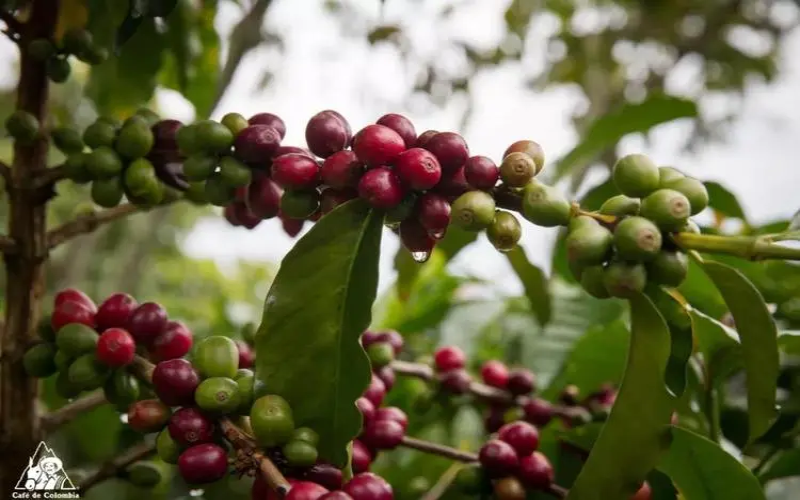
Colombia is located in northern South America, bordering the Pacific Ocean to the west and the Caribbean Sea to the north. The Andean region in the west has high altitudes, volcanic soil, and abundant rainfall, with diverse microclimates. It is recognized as a high-quality coffee-producing region and is the world's third-largest coffee producer. Coffee was introduced in the late 18th century by Jesuit priests among the Spanish colonists, and was first cultivated in the departments of Santander and Boyacá. The Santander producing region is located in the northern Andes Mountains of Colombia, at an altitude of about 1,400-1,700 meters. It is one of the earliest coffee-growing areas in Colombia, known for its strong flavor, long finish, and unique fresh herbal notes. Hacienda El Roble is a rare single-variety plantation in the area. The Front Street Colombia Rose Valley coffee beans sourced by Front Street Coffee come from this estate, using anaerobic enzyme washed processing and medium roasting, presenting flavors of rose, liqueur chocolate, berries, cranberries, and white peach. [more…]
F1 and H1 in the Costa Rican Musician Series: The Origins and Flavor Profiles of Two Coffee Varieties
The Costa Rica Musician Series coffees have long attracted attention for their unique names and outstanding flavors, and among them the two variety designations F1 and H1 often leave enthusiasts puzzled. What exactly do they represent? Are they variety codes, hybrid combinations, or estate-internal breeding lines? This article will sort through these two alphanumeric combinations, explain what F1 and H1 mean within the coffee variety system, and, in conjunction with the relevant lots currently sold by Front Street Coffee, describe their typical performance in cupping and brewing recommendations. Whether you are new to the Musician Series or want to further understand the genetic background behind the varieties, you will find clear answers in this article. [more…]
Is Catimor Really Arabica? An Analysis of the Relationship Between Yunnan Small-Bean Coffee and Catimor
Does Catimor coffee bean actually belong to Arabica? Is Yunnan small-bean coffee just Catimor? These are questions that many coffee enthusiasts often confuse. This article starts with the varietal origins of Front Street Coffee's Catimor, sorting out its hybrid relationship with Tim and Caturra, as well as the differences in flavor expression under different altitude conditions. At the same time, in light of the current development status of the Yunnan production region, it introduces the flavor characteristics of Front Street Coffee's Yunnan small-bean washed Catimor, and further discusses the original intention behind Front Street Coffee cultivating the Typica variety in Lincang, Yunnan, as well as the clean sweetness brought by the natural processing of Front Street Coffee 2013 coffee. [more…]
Tracing the Origins of Geisha Coffee Beans: From Ethiopia to Panama, Is It Really an Arabica Variety?
Is Geisha coffee bean an Arabica variety? What variety does the Panamanian Geisha coffee tree originate from? These are questions many coffee enthusiasts often have when encountering Geisha. In fact, Geisha is precisely a precious variety under the Arabica species, and its legendary journey began in Ethiopia in the 1930s, then passed through Kenya and Tanzania to Costa Rica, and finally shone brilliantly in Panama. Front Street Coffee, through numerous cupping sessions, has had its understanding repeatedly refreshed by Geisha's fresh floral aroma, rich fruity notes, and refreshing tea-like body. This article will comprehensively sort out Geisha's varietal classification, historical transmission path, flavor characteristics, and how Hacienda La Esmeralda pushed it to the throne of top-tier coffee, while also sharing Front Street's recommended Panama Hacienda La Esmeralda Red Label Geisha and its brewing suggestions. [more…]
A Complete Guide to Indonesian Coffee Varieties and Regions: Flavor Secrets from Sumatra to Sulawesi
Indonesia is a major coffee-producing country globally, with a wide variety of coffee types and unique processing methods that create highly distinctive flavor characteristics. From the perspective of Front Street, this article systematically reviews the geographical and varietal differences among Indonesia's three main producing regions—Sumatra, Java, and Sulawesi—delves into how the wet-hulling process shapes Mandheling's signature full-bodied mouthfeel, and introduces one by one the origins and characteristics of major cultivated varieties such as S795, Tim Tim, USDA762, Kartika, and Andungsari. Whether you are a coffee professional or enthusiast, understanding the genetic makeup and processing logic of Indonesian coffee will help you more accurately assess batch flavors, predict price trends, and, in daily tasting, decipher that complex cup interwoven with earthy and sweet notes. [more…]
Costa Rica Little Candle Estate Geisha Coffee Flavor Analysis and V60 Brewing Parameters Guide
Geisha coffee is not unique to Panama; neighboring Costa Rica also produces stunning Geisha. This article focuses on Costa Rica's Little Candle Estate Geisha coffee beans, outlining its regional background, variety composition, and raisin honey processing method, and compares the flavor differences with Panama Geisha. Front Street Coffee has also added Mirazu Estate Geisha blend, which combines the cleanliness of washed processing with the sweetness of honey processing. The article also provides complete brewing parameters and techniques for the V60 dripper, helping you recreate jasmine floral notes, strawberry gummy, and raisin sweetness at home. Whether you are a Geisha enthusiast or an advanced pour-over player, you can gain practical flavor knowledge and brewing references from it. [more…]